Vintage Christmas Junk Journal Paper & Illustrations
As a digital product creator who has spent years navigating the shifting tides of online marketplaces, I have learned that seasonal assets are not just about aesthetics; they are about utility and commercial viability. When I first opened the files for Vintage Christmas Junk Journal Paper, my immediate reaction was one of relief mixed with strategic excitement. In the crowded niche of holiday graphics, finding assets that balance authentic nostalgia with clean, usable design layers is rare. This collection does not scream for attention with neon brightness; instead, it whispers with the charm of aged parchment, faded ink, and classic holiday motifs. For sellers on Etsy, Creative Fabrica, or those running print-on-demand shops, this specific aesthetic offers a high perceived value because it taps into the enduring "cottagecore" and traditional Christmas trends that perform reliably year after year.
First Impressions and Niche Appeal
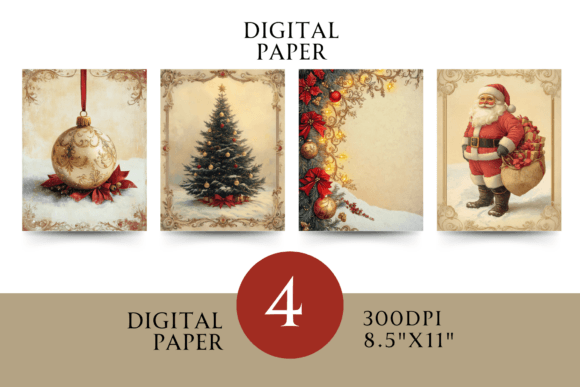
The visual personality of these Illustrations is distinctly rustic and handmade. It feels less like a modern, minimalist graphic and more like a scanned artifact from a grandmother’s attic. This mood is crucial for targeting the right audience. Buyers looking for sleek, corporate holiday designs will likely scroll past, but your core customer—the crafter, the scrapbooker, and the lover of vintage decor—will stop immediately. The asset carries a sense of warmth and history. When evaluating this for my own shop, I considered how it fits into the broader narrative of a brand. If your small business branding leans toward organic, earthy, or traditional styles, this graphic design asset integrates seamlessly. It avoids the trap of looking too "digital" or sterile, which is a common complaint among buyers of low-quality clipart bundles.
Real-World Product Applications
The true test of any digital download is its versatility across different product types. I approached Vintage Christmas Junk Journal Paper with a mindset of maximizing return on investment by applying it to multiple revenue streams. Here is how I envision these files performing in a real shop scenario:
- Digital Scrapbooking Kits: This is the most obvious application. The textures and layered elements are perfect for digital planners and junk journal templates. Users can drag and drop these PNG designs directly into GoodNotes or Canva.
- Printable Wall Art: By combining the paper backgrounds with bold serif fonts, you can create instant-download holiday prints. The vintage look sells well as framed art for living rooms and entryways.
- Sublimation Designs: For mug design and tote bag prints, the distressed edges of the illustrations add character. However, you must ensure the background is transparent or properly masked to avoid white boxes on colored mugs.
- Cricut Projects: If the bundle includes SVG files, these are ideal for sticker design and card making. The intricate details allow for beautiful layered paper crafts, though we must discuss cutting limitations later.
- Social Media Graphics: Use the papers as backgrounds for Instagram posts or Pinterest pins promoting your other products. They provide an instant festive atmosphere without overpowering the text.
Enhancing Product Presentation
In the world of online selling, your thumbnail is your storefront. One of the strongest advantages of using Vintage Christmas Junk Journal Paper is its ability to elevate your product mockups. When you place a plain text-based listing image on top of these textured backgrounds, the perceived value increases instantly. It suggests quality and attention to detail. I recommend using these assets to create cohesive seasonal collections. For example, if you sell Canva template bundles, using these vintage papers as the base for your preview images creates strong brand consistency. It helps potential customers visualize the final result, thereby improving click-through potential. A well-curated design bundle that includes these papers alongside matching fonts and icons can command a higher price point than individual elements sold separately.
Strategic Placement and Visual Hierarchy
Understanding where to place these elements is key to effective design. These illustrations work best when they frame content rather than compete with it. In large product previews or decorative layouts, let the texture shine. Use the papers as full-background elements for digital downloads or merchandise graphics. However, maintaining visual hierarchy is essential. If you are creating a t-shirt design, ensure the vintage graphics do not obscure the main message. The eye should travel naturally from the focal point (perhaps a central holiday quote) to the supporting vintage elements. This balance builds customer trust, as it shows professional design competence rather than cluttered amateurism.
Cautionary Notes for Sellers
While I am enthusiastic about this asset, experienced sellers know that every design has its limitations. You must use Vintage Christmas Junk Journal Paper carefully in certain contexts. First, avoid using these detailed textures for tiny sticker details. The intricate distressing and layering may become muddy when scaled down for small die-cut stickers. Second, be wary of overly complex layouts. If you crowd too many vintage elements together, the design loses its elegance and becomes chaotic.
Furthermore, consider the technical constraints. For Cricut or Silhouette projects, verify the SVG cut quality. Complex vintage shapes often require weedable lines; if the design is too intricate, it may tear during weeding. Always test cut a sample before listing it as a ready-to-cut file. Additionally, avoid placing these light, faded illustrations on dark backgrounds unless you add a solid outline or glow effect, as the contrast will be too weak for visibility. Low-resolution print products are also a risk; always confirm file resolution is at least 300 DPI for any physical merchandise to prevent pixelation.
Practical Seller Checklist
Before publishing your listings, run through this practical checklist to ensure professionalism and reduce customer service issues:
- Test on Real Mockups: Do not rely solely on flat digital previews. Place the design on a actual mug, shirt, or printed paper to see how colors translate.
- Check Transparency: Verify PNG transparency. Ensure there are no unwanted white halos around the vintage elements.
- Font Pairing: Experiment with typography. These papers pair beautifully with elegant script fonts, classic serif fonts, and clean sans serif fonts. Avoid overly modern display fonts that clash with the vintage vibe.
- License Verification: Confirm the commercial license terms. Ensure you are allowed to use the asset in end-products for sale, such as POD items or printable designs.
- File Organization: If you are bundling these for resale, organize files clearly. Separate SVGs, PNGs, and JPGs into distinct folders to enhance the user experience.
- Contrast Testing: Preview the design on both white and dark backgrounds to ensure versatility for your buyers.
In conclusion, Vintage Christmas Junk Journal Paper is a robust addition to any creative entrepreneur’s library. It bridges the gap between nostalgic charm and commercial utility. By testing it across various mediums—from sublimation design to social media graphics—and respecting its technical limitations, you can create a polished, profitable holiday collection. It is not just a set of images; it is a tool for storytelling that can help your handmade business stand out in a saturated creative marketplace. Treat it with the strategic care it deserves, and it will likely become a staple in your seasonal offerings for years to come.