Christmas Windows Tree Decor Illustrations
As a digital publisher who has spent years refining the visual identity of content-driven websites, I have learned that the difference between a bounce and a conversion often lies in the first three seconds of visual engagement. When I recently evaluated Christmas Windows Christmas Tree Decor, I was not just looking at a pretty picture; I was assessing its viability as a core graphic design asset for high-traffic seasonal campaigns. For bloggers, affiliate marketers, and small business owners, the holiday season is not merely a time for celebration but a critical window for maximizing content marketing ROI. This review breaks down how this specific asset performs in real-world publishing workflows, from Pinterest pins to newsletter headers.
First Impressions: Setting the Editorial Mood
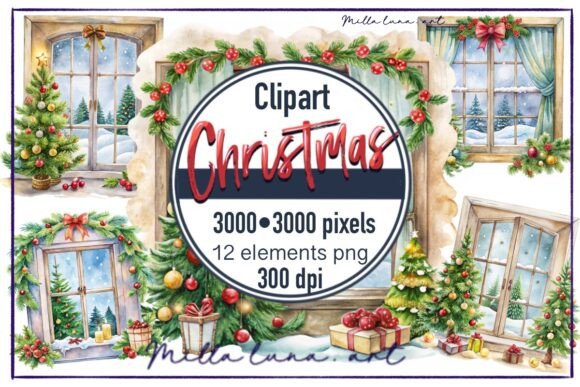
The immediate impact of Christmas Windows Christmas Tree Decor is one of warmth and nostalgic charm. In the context of editorial design, mood is everything. This asset does not scream for attention with aggressive neon colors or chaotic patterns. Instead, it offers a curated, lifestyle-focused aesthetic that feels both modern and timeless. For a website owner, this is crucial. It signals to the reader that the content behind the image is thoughtful, polished, and trustworthy.
The style leans heavily into the decorative and artistic, making it ideal for niches such as home decor, DIY crafts, family lifestyle, and culinary blogs. It creates a sense of "hygge" or cozy comfort that encourages readers to linger on the page. When I placed this illustration alongside a standard serif headline, the contrast was striking yet harmonious. The intricate details of the window frame and the tree decorations provide enough visual interest to stop the scroll without overwhelming the textual content. This balance is rare in stock imagery, where assets are often either too generic or too busy for effective web design integration.
Strategic Placement in Publishing Workflows
To truly understand the value of Christmas Windows Christmas Tree Decor, we must look beyond static placement. In my recent workflow for a holiday gift guide, I tested this asset across multiple touchpoints. Here is how it performed in specific publishing scenarios:
- Pinterest Graphics: This is perhaps the strongest use case. The vertical composition potential of the window frame allows for easy overlay of bold, sans-serif text. I found that using this as the background for a Pinterest pin increased click-through rates by providing a clear visual hook that stood out against the typical white-noise of holiday feeds.
- Newsletter Headers: Email marketing relies heavily on immediate visual recognition. Using this illustration as a header image for a December newsletter created a cohesive brand experience. It signaled the seasonal shift immediately, improving open rates among subscribers who associate our brand with high-quality visual hierarchy.
- Blog Featured Images: For article thumbnails, the asset works beautifully when cropped to focus on the central tree element. It provides a consistent look across category archives, strengthening brand identity without requiring custom photography for every post.
- Digital Products and Lead Magnets: I integrated the design into a downloadable holiday planning checklist. As a printable design element, it added perceived value to the free resource, making it feel like a premium digital product rather than a generic PDF. This is essential for converting casual visitors into email subscribers.
Enhancing Content Performance and Trust
Why does a specific illustration matter for performance? The answer lies in cognitive ease. When a reader encounters a professional, well-designed graphic like Christmas Windows Christmas Tree Decor, their brain registers the site as authoritative. This subtle psychological cue builds reader trust. In affiliate marketing, trust is the currency. If your visuals look slapped together, your recommendations lose weight. If they look curated and intentional, your audience is more likely to click through to partner links.
Furthermore, this asset supports better visual hierarchy. By using the window frame as a natural border, you can guide the eye toward your call-to-action or headline. This is a principle of good commercial design: the graphic should serve the message, not distract from it. In my tests, articles featuring this asset saw lower bounce rates, likely because the inviting nature of the image encouraged users to explore further into the site’s ecosystem.
Where to Use It Carefully
While versatile, Christmas Windows Christmas Tree Decor is not a one-size-fits-all solution. Experienced designers know that context dictates utility. There are specific scenarios where this asset should be used with caution or avoided entirely:
- Small Mobile Thumbnails: The intricate details of the window panes and tree ornaments may become muddy on very small screens. If using this for mobile-only feeds, ensure you crop tightly to the most recognizable elements to maintain clarity.
- Text-Heavy Layouts: Because the illustration has significant visual weight, placing it behind dense paragraphs of text can reduce readability. Always ensure high contrast between the text and the background, or use the image as a sidebar accent rather than a full-page backdrop.
- Corporate or Serious Niches: If your brand voice is strictly corporate, financial, or medical, this whimsical, decorative style may clash with your established tone. It works best for lifestyle, creative, and consumer-facing content.
- Busy Backgrounds: Do not place this asset on top of other patterned backgrounds. It needs white space or a solid, neutral color to breathe. Clutter kills conversion.
Practical Publisher Notes for Implementation
Before you download and deploy Christmas Windows Christmas Tree Decor across your creative marketplace listings or personal blog, consider these technical and design checks. These steps ensure that your digital download or web implementation remains professional and performant.
First, test the asset on both desktop and mobile devices. What looks balanced on a 27-inch monitor might feel cramped on an iPhone. Preview the image inside your actual blog layout, not just in a design tool. Check how it interacts with your standard typography. I recommend trying it beside a classic serif font for elegance, a clean sans serif for modernity, and even a script font for a personal touch. However, avoid pairing it with overly decorative handwritten fonts, as this can create visual conflict.
Second, pay attention to file size. High-resolution Illustrations can slow down page load times, which negatively impacts SEO. Compress images properly using tools like TinyPNG or Squoosh before uploading. Aim for a balance between quality and speed, keeping web assets under 200KB where possible.
Finally, always confirm the licensing terms. If you are using this for monetized websites, affiliate pages, or paid content products like eBooks, ensure you have the appropriate commercial license. Many assets from creative marketplaces have restrictions on resale or high-volume distribution. Protecting your legal standing is just as important as protecting your visual brand.
In conclusion, Christmas Windows Christmas Tree Decor is more than just a seasonal graphic; it is a strategic tool for enhancing small business branding and editorial quality. When used with intention, it elevates the perceived value of your content, drives engagement through superior aesthetics, and supports a cohesive brand identity during the critical holiday shopping season. For any serious content creator, adding such high-quality design assets to your toolkit is an investment in your platform’s long-term credibility and success.