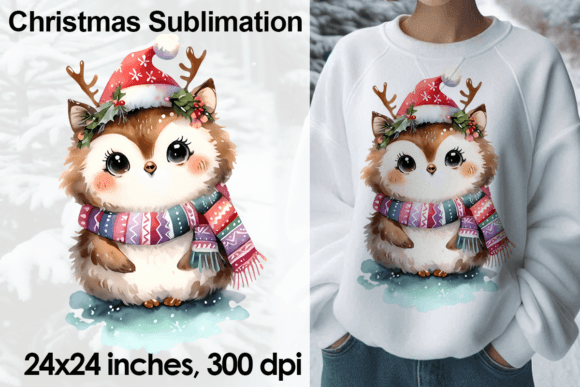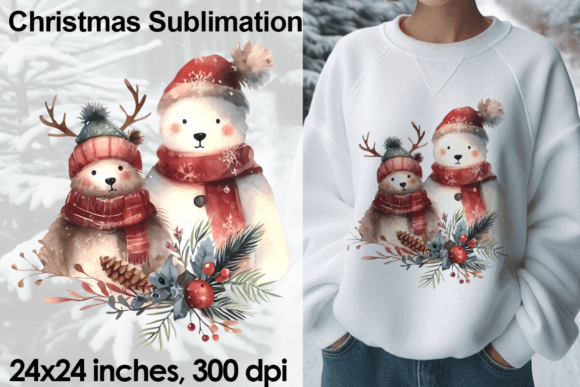
Reviewing Watercolor Christmas Bears Sublimation for Stitch
As a designer who spends more time staring at stitch simulations than actual thread spools, I have learned to be skeptical of digital assets that promise charm without considering the mechanical reality of embroidery. When I first opened the Watercolor Christmas Bears Sublimation file, my initial reaction was one of cautious optimism. The aesthetic is undeniably sweet, capturing that soft, washed-out look popular in modern holiday decor. However, translating a watercolor-style illustration into a tangible embroidery project requires a critical eye. This is not just about whether the image looks good on a screen; it is about how those gentle gradients and soft edges hold up under the needle.
The Visual Personality and First Impressions
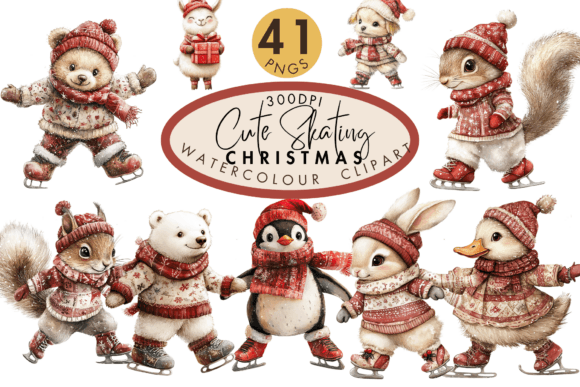
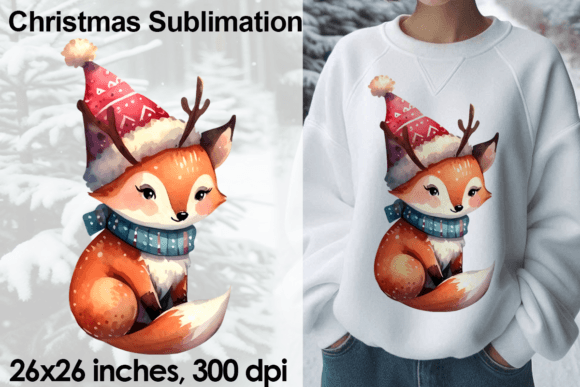
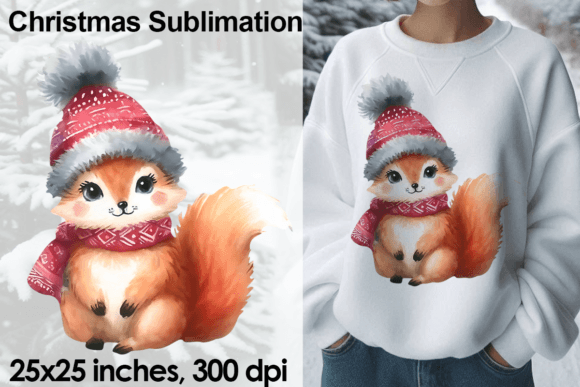
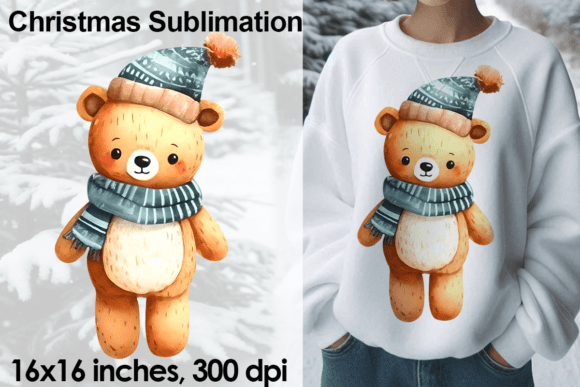
The mood of this design is cozy and nostalgic. It avoids the harsh, cartoonish outlines often found in cheaper clip art, opting instead for a softer, more organic feel. For an Etsy seller or a small shop product creator, this visual personality is a significant asset. It speaks to customers looking for heirloom-quality items rather than mass-produced novelty goods. The layout is balanced, with the bears positioned in a way that suggests interaction, which adds emotional weight to the piece. As part of the broader category of Illustrations, it stands out because it does not rely on heavy black borders to define shape. Instead, it uses color variation and subtle shading. This is beautiful for printing, but for us as embroiderers, it presents a unique challenge: how do we replicate softness with thread?
Real-World Application: The Holiday Tote Bag Test
To truly evaluate the Watercolor Christmas Bears Sublimation, I imagined a specific real-life scenario: creating a set of reusable holiday gift tote bags. This is a high-demand item for craft business owners in November and December. I visualized placing the design on a natural canvas tote. Canvas has a distinct fabric texture that can interfere with fine details. In this context, the design’s simplicity works in its favor. Complex backgrounds would get lost in the weave of the canvas, but the central figures of the bears are bold enough to remain clear.
If you are planning sweatshirt embroidery, the dynamic changes slightly. A fleece or cotton-blend sweatshirt provides a softer base, allowing for more nuanced stitching. Here, the watercolor effect can be mimicked using varied thread colors and careful blending of fill stitch directions. I found that this design naturally belongs on items that benefit from a handcrafted, gentle touch. It is less suited for high-performance athletic wear and more aligned with personalized gift items like nursery decor, baby blankets, or kitchen towels.
Technical Considerations for Embroiderers
Let’s talk about the mechanics. Because this design originates as a sublimation-style graphic, it likely relies on color blocks rather than intricate line work. When converting or using this as a reference for a machine embroidery design, you must pay close attention to stitch density. Watercolor effects often imply gradual color shifts. In embroidery, we achieve this through layering or using variegated threads. If you are digitizing this yourself or buying a pre-digitized version, check if the artist has used short running stitch accents to define edges, or if they rely solely on satin and fill stitches.
One area where caution is needed is the hoop size. If you attempt to shrink this design too much for a small pocket on a onesie or a tiny embroidered patch, the subtle details of the bears' faces may merge into a blob of thread. Always test the design on scrap fabric first. I recommend stitching it out at 100% scale initially to see how the stabilizer interacts with the fabric. For stretchy fabrics, a cut-away stabilizer is non-negotiable to prevent puckering, especially if the design covers a larger surface area.
Navigating Fabric and Color Challenges
The color palette of Watercolor Christmas Bears Sublimation is likely muted or pastel-heavy. This creates a potential visibility issue on dark fabrics. If you are stitching on a navy blue or black garment, the design may lack contrast. In such cases, consider adding a light-colored backing or using an applique design technique where a piece of light fabric is placed under the bears before stitching. This ensures the colors pop and maintains the integrity of the watercolor look.
Furthermore, consider the thread colors you have in stock. Does the design require specific shades of teal, blush, or slate? If you are a commercial embroidery provider, you need to know if you can substitute threads without losing the design’s charm. Test it in black and white mockups to see if the values hold up. If the design relies entirely on color to distinguish the bear from the background, it might fail in monochrome applications.
Commercial Viability and Brand Consistency
For digital product sellers and apparel decorators, the value of this design lies in its versatility. It fits seamlessly into a brand identity that values warmth and tradition. Using Watercolor Christmas Bears Sublimation in your printable mockup previews can significantly boost buyer engagement. Customers respond to imagery that feels safe and inviting. However, professionalism is key. Ensure that the final finished product matches the quality of the digital preview. Sloppy stitching or poor tension can ruin the delicate aesthetic of the watercolor style.
When listing this on platforms like Etsy, highlight the handmade nature of the item. Mention that it is a holiday embroidery piece designed for durability and charm. This builds customer trust. Buyers are increasingly savvy; they want to know that the design assets used are high quality and that the maker understands the technical limitations of the medium.
Practical Designer Notes for Success
- Check Licensing: Before selling any custom apparel or handmade product featuring this design, confirm the license terms. Ensure you have commercial rights if you plan to sell physical goods.
- Test Stitch Density: High density can make fabric stiff. Adjust settings if the design feels too heavy for lightweight materials like baby clothes.
- Inspect Small Details: Zoom in on the eyes and noses of the bears. Are they defined by single lines or small fills? Single lines may break or get lost; small fills are more durable.
- Compare Backgrounds: Stitch the design on both light and dark swatches. This helps you determine if you need to offer different color variations to your clients.
- Use Proper Stabilizer: Do not skimp on stabilization. The soft look of watercolor requires a smooth surface; puckering will destroy the illusion.
In conclusion, Watercolor Christmas Bears Sublimation is a strong contender for holiday collections, provided you approach it with a designer’s mindset. It is not just a pretty picture; it is a blueprint for a tactile experience. By respecting the limitations of thread and fabric, you can transform this digital illustration into a cherished personalized gift or a best-selling small shop product. The key is balance: honoring the softness of the original art while ensuring the durability required for everyday use.