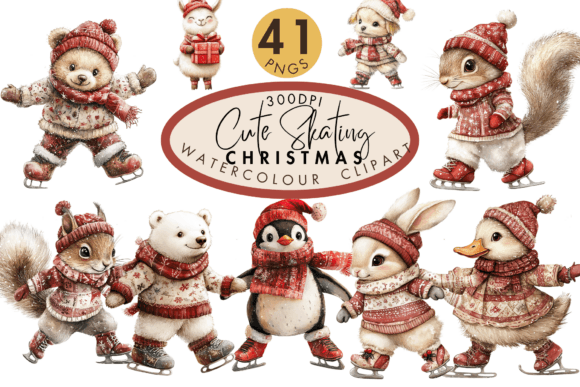
Reviewing the Cute Skating Christmas Watercolor PNG for Embroidery
As a designer who has spent countless hours digitizing and stitching out holiday motifs, I approach every new asset with a mix of curiosity and caution. The Cute Skating Christmas Watercolor PNG caught my eye not just for its seasonal charm, but for the specific aesthetic challenge it presents. We are all familiar with the crisp, vector-like lines of traditional machine embroidery designs. However, this piece falls under the category of Illustrations, offering a soft, painterly vibe that requires a different mindset when translating it into thread.
I recently pulled this design into my workflow while preparing a custom order for a boutique client looking for unique holiday merchandise. The goal was to create a line of personalized gifts that felt handmade and artistic rather than mass-produced. Here is my practical assessment of how this watercolor-style graphic performs in real-world embroidery projects, from initial concept to the finished product.
First Impressions: Mood and Visual Personality
The immediate appeal of the Cute Skating Christmas Watercolor PNG lies in its gentle, whimsical mood. Unlike bold, high-contrast graphics that shout for attention, this design whispers. The watercolor effect suggests movement and fluidity, perfectly capturing the grace of a figure skating on ice. For an embroidery designer, this translates to a need for subtlety. The lack of hard edges means that if you attempt to replicate it exactly using standard satin stitches, you might lose the delicate nuance that makes the original image appealing.
This visual personality makes it an excellent candidate for projects where softness is key. It feels right at home on baby items, nursery decor, or lightweight apparel where heavy, dense stitching would feel out of place. When I first viewed it, I imagined it not as a standalone logo, but as a central artistic element on a larger canvas, such as a tote bag or a sweatshirt front.
Real-World Application: From Digital File to Stitched Reality
Putting theory into practice, I tested the concept on a few different substrates. The most successful application was on a natural cotton tote bag. The texture of the fabric complemented the organic feel of the watercolor style. Using a combination of fill stitches for the broader color areas and running stitches for the finer details, the design retained its artistic integrity. It did not look like a rigid patch but rather like a painted illustration that had been thoughtfully stitched.
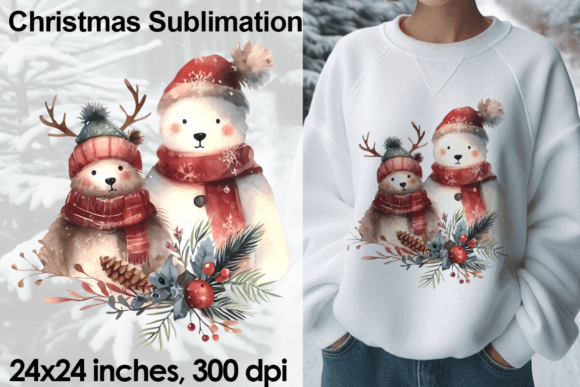
For custom apparel, specifically sweatshirt embroidery, the design performed well when scaled appropriately. The key here is understanding that watercolor effects rely on color blending. In embroidery, we achieve this through thread colors and stitch direction rather than pixel gradients. I found that selecting thread colors with slight variations in tone helped mimic the watercolor bleed effect. This approach elevated the perceived value of the handmade product, making it stand out in a crowded market of generic holiday designs.
If you are an Etsy seller or small shop owner, this type of design asset can differentiate your brand. It appeals to customers looking for something unique and less commercial. Whether used for holiday embroidery on kitchen towels or as a focal point on a pillow cover, the design adds a layer of sophistication and warmth.
Navigating Technical Challenges and Fabric Choices
While the aesthetic is charming, working with a watercolor-inspired illustration requires careful technical consideration. One must be cautious when applying this design to textured fabrics or stretchy materials. On a curved surface like a cap, the lack of defined borders can lead to distortion if the stabilizer is not chosen correctly. I recommend using a cut-away stabilizer for garments that will be washed frequently, ensuring the design remains stable and does not pucker.
Small hoop sizes present another challenge. If you attempt to shrink the Cute Skating Christmas Watercolor PNG too much for a small embroidered patch or a baby sock, the details may merge. The subtle transitions between colors need enough physical space to be represented by distinct thread paths. Always test the design on scrap fabric first. Check the stitch density to ensure it is not too heavy for thin fabrics, which could cause tearing or stiffness.
Dark fabrics require special attention. Since watercolor designs often feature light, translucent tones, stitching them directly onto black or navy fabric will result in poor visibility. In such cases, consider using an applique design technique. By placing a light-colored fabric underneath the stitching area, you create a base that allows the thread colors to pop, maintaining the intended visual appeal.
Enhancing Brand Consistency and Customer Trust
For creative entrepreneurs, consistency is vital. This design fits seamlessly into a brand identity that values artistry and handcrafted quality. When customers see a well-executed watercolor-style embroidery, it signals professionalism and attention to detail. It builds trust because it shows that the maker understands both design principles and technical execution.
Using this asset in printable mockups before production can also help gauge customer reaction. Create digital previews showing the design on various products, such as aprons, blankets, or boutique merchandise. This helps in marketing the item effectively, allowing potential buyers to visualize the finished product. It bridges the gap between the digital embroidery file and the tangible item they will receive.
Practical Notes for the Embroidery Designer
Before committing to a large production run or listing the item in your store, keep these practical tips in mind:
- Test on Scrap Fabric: Always stitch out a sample to check thread color contrast and stitch density. What looks good on screen may behave differently in thread.
- Check Licensing: Confirm whether the license allows for commercial embroidery projects. Ensure you have the rights to sell finished items or use the design in digital product previews.
- Evaluate Hoop Size: Determine the optimal size for your specific project. Larger hoops allow for more detail retention in watercolor styles.
- Inspect Small Details: Zoom in on the design to identify any tiny lettering or intricate corners that may need simplification for stitching.
- Mockup in Black and White: Convert the image to grayscale to check for value contrast. This helps ensure the design is readable even without color.
- Stabilizer Selection: Choose the right stabilizer based on the fabric texture and garment type to prevent puckering and ensure longevity.
In conclusion, the Cute Skating Christmas Watercolor PNG is a versatile and evocative asset for the modern embroidery designer. It moves beyond standard clipart, offering a chance to create nuanced, high-quality handmade products. By respecting its artistic nature and addressing the technical requirements of machine embroidery, you can produce stunning pieces that resonate with customers and elevate your craft business. Whether for a personalized gift or a small shop product, this design holds significant potential when handled with care and expertise.