Reviewing Highland Cow Christmas Clipart PNG for Embroidery
As a designer who spends more time staring at stitch simulations than actual holiday decorations, I have learned that not every cute graphic translates well to thread. We often get swept up in the charm of a digital illustration, only to realize later that the nuances vanish under the needle. Recently, I evaluated the Highland Cow Christmas Clipart PNG with a specific goal in mind: determining its viability for real-world embroidery projects. This was not just about aesthetic appeal; it was about practical application for craft businesses, Etsy sellers, and handmade shop owners who need reliable assets.
First Impressions and Visual Personality
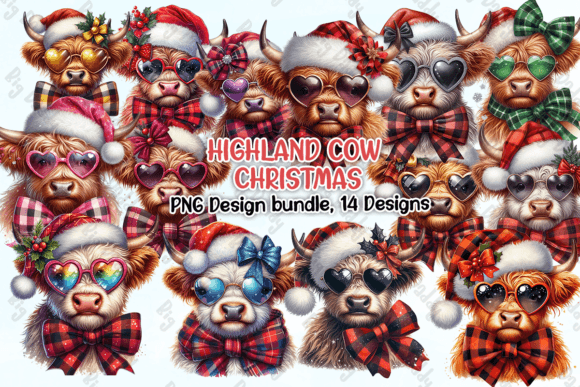
The immediate mood of this design is cozy and whimsical. Highland cows are already a staple in modern rustic decor, but adding a Christmas theme elevates the seasonal relevance. The visual personality here is soft and approachable. For an embroidery designer, the first thing I look for is the silhouette. Does the shape hold up when simplified? In this case, the distinct horns and shaggy coat provide strong visual anchors. However, because this is a PNG raster image rather than a vector or native embroidery file, the level of detail requires careful interpretation before it ever hits the machine.
The layout feels balanced, which is crucial for center-chest placements on sweatshirts or full-front designs on tote bags. The theme naturally lends itself to holiday embroidery, but its versatility allows it to work year-round if the color palette is adjusted. For those creating design assets for commercial use, understanding this flexibility is key to maximizing the product's lifespan in your shop.
Real-World Application: The Holiday Tote Bag Test
To truly test the Highland Cow Christmas Clipart PNG, I imagined a specific real-life scenario: a custom order for a boutique client wanting fifty personalized holiday gift bags. The chosen item was a heavy canvas tote bag. This is a common request for small shop products during the fourth quarter. The challenge here is texture. Canvas has a visible weave, and intricate details can get lost or cause puckering if the digitizing is not aggressive enough.
If I were converting this PNG into a machine embroidery design for this project, I would prioritize bold shapes over fine shading. The shaggy fur of the Highland cow presents a unique opportunity for creative stitch types. A mix of satin stitch for the horns and eyes, combined with a textured fill stitch for the body, could mimic the animal’s natural coat. For the Christmas elements, such as a scarf or hat, bright thread colors against the neutral cow create necessary contrast. This approach ensures the finished product looks professional and retains clarity even from a distance.
Apparel and Soft Goods Considerations
Beyond tote bags, this design has strong potential for custom apparel. Imagine this stitched onto a crewneck sweatshirt. The softness of the fleece fabric pairs well with the cozy vibe of the illustration. However, stretchy fabric introduces tension issues. When working on garments like t-shirts or baby clothes, stabilizer choice becomes non-negotiable. A cut-away stabilizer would likely be necessary to prevent the design from distorting after washing.
For baby embroidery, simplicity is safety. If the PNG contains tiny details or small lettering, these might need to be enlarged or removed entirely to meet safety standards and ensure durability. Parents wash baby items frequently, so dense stitch areas must be minimized to avoid stiffness against sensitive skin. In this context, the Highland Cow Christmas Clipart PNG works best when simplified into a cleaner, bolder outline that relies on thread color rather than complex shading.
Navigating Technical Challenges
While the aesthetic is charming, there are areas where caution is required. Using a PNG means you are starting with pixels, not stitches. You cannot simply load this into an embroidery machine. It must be digitized. This step is where many hobbyists stumble. If you are an Etsy seller offering finished items, you must ensure your digitizer understands how to handle the transition from pixel art to thread paths.
Small hoop sizes present another hurdle. If you attempt to shrink this design for a cap or a small embroidered patch, the intricate parts of the cow’s face may merge. Stitch density must be carefully managed. Too dense, and the fabric will pucker; too sparse, and the backing shows through. Dark fabrics also pose a challenge. If the original PNG uses light colors for highlights, these will disappear on black or navy fabric unless you adjust the thread colors significantly. Always test your design in black and white mockups to check for contrast issues before committing to production.
Fabric Texture and Stabilization
The success of any embroidery project depends heavily on the interaction between thread and fabric texture. For textured fabrics like linen or waffle knit, the Highland Cow Christmas Clipart PNG needs a robust underlay. Running stitch underlays help anchor the design and prevent shifting. For smooth fabrics like polyester blends, a tear-away stabilizer might suffice, but for anything that will be washed repeatedly, such as kitchen towels or aprons, a more permanent solution is wise.
Curved surfaces, such as caps, require additional attention. The design must be warped or adjusted to account for the curvature. A flat image will look distorted if stitched directly onto a rounded crown without proper digitizing compensation. This is why professional designers often advise checking the design on scrap fabric first. It saves time, thread, and frustration.
Commercial Value and Brand Consistency
From a business perspective, this design adds value through its trend relevance. Highland cows remain popular, and combining them with holiday themes creates a timely product for seasonal sales. For creative entrepreneurs, this means higher buyer engagement during the holiday rush. However, brand consistency is vital. If your shop specializes in minimalist modern designs, this whimsical clipart might clash. Ensure it aligns with your existing printable mockup style and overall brand voice.
Customer trust is built on quality. A poorly stitched version of this design can damage your reputation. Conversely, a clean, well-executed embroidered patch or sweatshirt embroidery piece can become a bestseller. The key is professionalism. Inspect small details, confirm hoop size compatibility with your machines, and ensure that the final stitch count is efficient for production timelines.
Practical Designer Notes for Implementation
Before you begin stitching, consider these practical steps to ensure the best outcome for your embroidery project:
- Verify Licensing: Confirm whether the PNG license allows for commercial use in finished products. Some licenses permit personal use only, while others allow for small business merchandise. Always read the terms before selling.
- Digitize with Care: Do not auto-digitize without manual editing. Adjust stitch direction to follow the flow of the cow’s fur for a more natural look.
- Test Thread Colors: Compare light and dark fabric backgrounds. What looks good on white might vanish on beige. Use high-contrast thread colors for key features like eyes and horns.
- Check Stitch Density: Reduce density in large fill areas to prevent fabric distortion, especially on thinner materials.
- Use Proper Stabilizer: Match the stabilizer to the fabric weight. Heavier fabrics need less support; lighter, stretchy fabrics need more.
- Create Mockups: Use digital tools to visualize the design on various products before stitching. This helps in marketing your digital embroidery file or finished goods effectively.
In conclusion, the Highland Cow Christmas Clipart PNG is a promising asset for illustrators and makers, provided it is handled with technical precision. It offers a blend of charm and seasonal appeal that resonates with current market trends. By respecting the limitations of the format and prioritizing high-quality digitizing, you can transform this simple illustration into a standout handmade product. Whether for a personalized gift, a boutique branding element, or a craft fair staple, the potential is there for those willing to put in the preparatory work.